
Blog
Blog
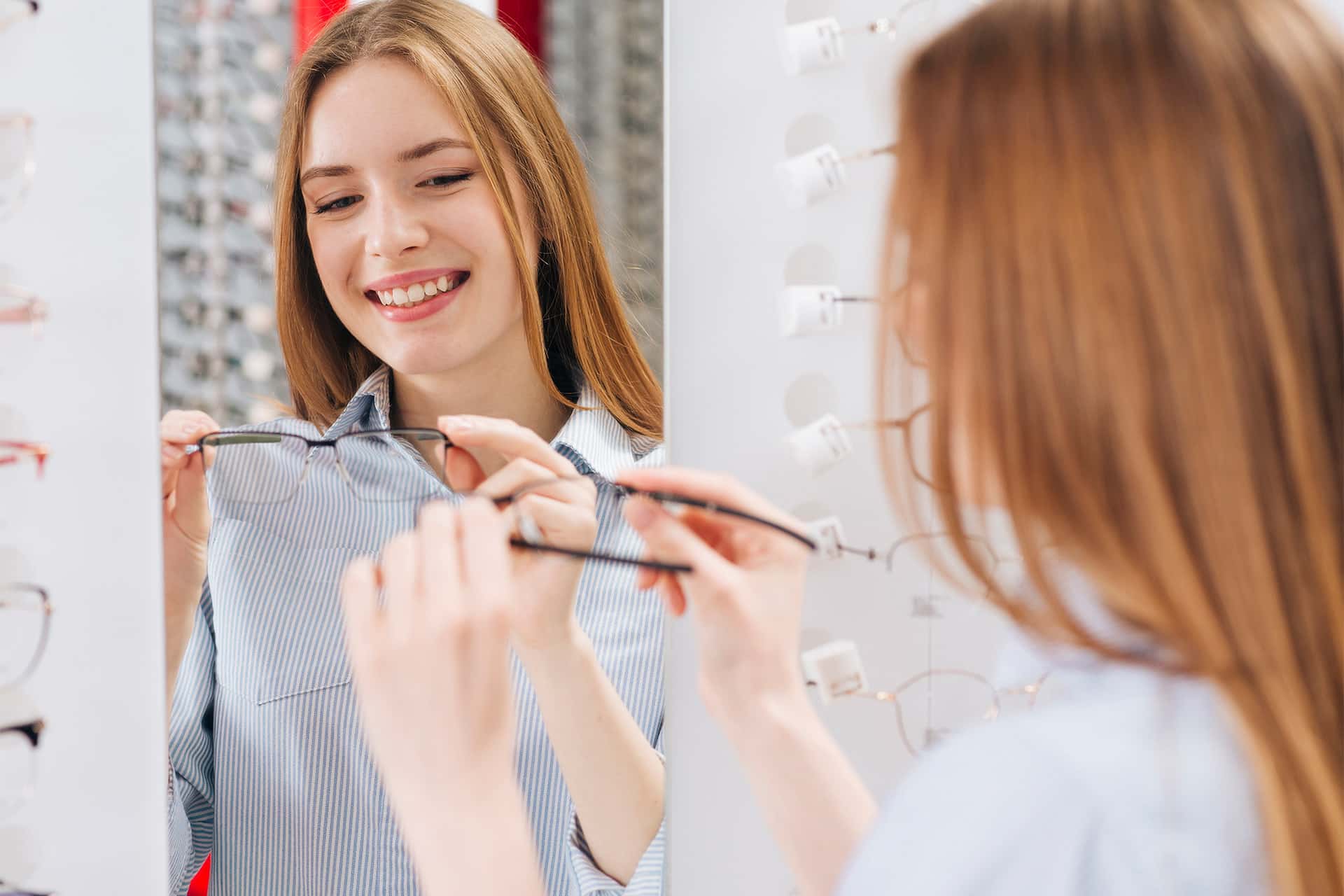
Eyeglasses are more than just a vision correction tool; they are an essential part of daily life, personal style, and long-term eye health. Many people continue using the same pair of glasses for years without questioning whether it is time for a replacement. However, wearing outdated or damaged eyeglasses can negatively affect your vision, comfort, and even productivity. In this comprehensive guide, we will explore how often you should replace your eyeglasses, the key signs that indicate it is time for a new pair, and how regular updates can support optimal eye health.
Why Replacing Your Eyeglasses Matters
Wearing the correct eyeglasses is crucial for maintaining clear vision and preventing unnecessary eye strain. Over time, both your eyes and your glasses change, making replacements not just a matter of style but also of health.
Changes in Vision Over Time
Your eyesight naturally evolves due to aging, lifestyle, and health conditions. Even minor prescription changes can lead to headaches, blurred vision, and fatigue if not corrected promptly.
Wear and Tear of Frames and Lenses
Daily use exposes eyeglasses to scratches, loose screws, bent frames, and worn nose pads. These issues may seem minor but can significantly reduce comfort and visual clarity.
How Often Should You Replace Your Eyeglasses?
There is no universal rule for everyone, but eye care professionals generally recommend replacing eyeglasses every one to three years. This timeframe depends on several factors, including prescription stability, lens quality, and personal habits.
Standard Recommendation from Eye Care Professionals
Most optometrists suggest updating your eyeglasses every two years, even if your prescription feels adequate. This ensures your lenses match your current vision needs and benefit from the latest lens technologies.
Factors That Influence Replacement Frequency
Age
Children and teenagers may need new glasses more frequently due to rapid eye development. Adults with stable vision may go longer between replacements, while seniors often experience more frequent prescription changes.
Lifestyle and Usage
People who use digital screens extensively or work in demanding environments may notice faster lens degradation or vision changes.
Health Conditions
Conditions such as diabetes, eye strain, or hormonal changes can affect vision and require more frequent updates.
Signs You Need to Replace Your Eyeglasses
Even if it has not been long since your last eye exam, certain warning signs indicate that your eyeglasses may no longer be suitable.
Frequent Headaches or Eye Strain
Persistent discomfort after reading or screen use may signal an outdated prescription.
Blurry or Distorted Vision
If objects appear unclear or distorted, your lenses may no longer align with your visual needs.
Physical Damage to Glasses
Scratches, cracks, or bent frames can interfere with vision and should not be ignored.
Difficulty Seeing at Night
Increased glare or halos around lights often indicate lens wear or prescription changes.
The Role of Regular Eye Exams
Replacing eyeglasses should always start with a comprehensive eye exam. Regular check-ups help detect vision changes early and ensure your prescription remains accurate.
How Often Should You Get an Eye Exam?
Most adults should have an eye exam every one to two years. Children, seniors, and individuals with eye conditions may require more frequent visits.
Benefits Beyond Vision Correction
Eye exams can detect early signs of serious conditions such as glaucoma, macular degeneration, and cataracts.
Advances in Eyeglass Lens Technology
Modern eyeglasses offer far more than basic vision correction. Updating your glasses allows you to take advantage of new technologies designed to enhance comfort and eye protection.
Blue Light Filtering Lenses
These lenses reduce digital eye strain caused by prolonged screen exposure.
Anti-Reflective and Scratch-Resistant Coatings
Advanced coatings improve clarity, reduce glare, and extend lens lifespan.
Lightweight and High-Index Lenses
New materials provide thinner, lighter lenses without compromising visual quality.
How Frame Style and Fit Affect Replacement Timing
Fashion trends and physical comfort also play a role in deciding when to replace eyeglasses.
Proper Fit for Maximum Comfort
Ill-fitting frames can cause pressure points, slipping, and misalignment of lenses.
Updating Your Look
Eyeglasses are a prominent fashion accessory. Replacing them can refresh your appearance and boost confidence.
Can You Keep Old Eyeglasses?
While replacing your primary pair is important, old eyeglasses can still serve a purpose.
Backup Glasses
Keeping an older pair as a backup can be helpful in emergencies.
Donation and Recycling Options
Many organizations accept used eyeglasses to help individuals in need.
How to Extend the Life of Your Eyeglasses
Proper care can help you get the most out of your eyeglasses before needing a replacement.
Daily Cleaning Habits
Use microfiber cloths and lens-safe solutions to prevent scratches.
Safe Storage
Always store glasses in a protective case when not in use.
Regular Adjustments
Professional adjustments keep frames aligned and comfortable.
Final Thoughts on Replacing Your Eyeglasses
Replacing your eyeglasses at the right time is essential for maintaining clear vision, comfort, and eye health. While most people benefit from updating their glasses every one to three years, paying attention to warning signs and scheduling regular eye exams are the best ways to determine the right timing for you. By staying proactive and informed, you can ensure that your eyeglasses continue to support your lifestyle, protect your eyes, and enhance your overall quality of life.
In today’s digital-first world, screens are everywhere. From smartphones and laptops to tablets and LED lighting, our eyes are exposed to blue light for extended hours every day. This growing exposure has raised an important question for consumers and eye care professionals alike: Do blue light lenses really protect your eyes? This in-depth article provides a science-based, SEO-optimized, and user-focused answer to that question, covering everything you need to know about blue light lenses, their benefits, limitations, and whether they are worth the investment.
What Is Blue Light?
Blue light is a portion of the visible light spectrum with relatively short wavelengths and high energy. While blue light occurs naturally from the sun and plays an important role in regulating our circadian rhythm, artificial blue light emitted from digital devices has become a growing concern.
Natural vs Artificial Blue Light
Blue light can be divided into two main categories: natural and artificial. Understanding the difference between these sources is essential for evaluating the real impact of blue light on eye health and determining whether blue light lenses are truly necessary.
Natural Blue Light from the Sun
Natural blue light primarily comes from the sun and plays a vital role in regulating the human biological clock. Exposure to sunlight during daytime hours helps control sleep-wake cycles, boosts alertness, supports cognitive performance, and positively affects mood. This type of blue light is not harmful when experienced in natural amounts and is considered essential for overall well-being.
Artificial Blue Light from Screens
Artificial blue light is emitted by digital devices such as smartphones, computers, tablets, televisions, and LED lighting. Unlike sunlight, this exposure often occurs at close distances and for prolonged periods, especially indoors. Continuous exposure to artificial blue light late in the evening has raised concerns due to its potential role in eye discomfort and sleep disruption.
Why Blue Light Gets So Much Attention
The increasing reliance on digital devices for work, education, and entertainment has significantly increased daily screen time. As a result, eye care professionals and researchers have focused on blue light as a possible contributor to visual fatigue, disrupted sleep patterns, and digital eye strain.
Extended exposure to artificial blue light has been associated with digital eye strain, sleep disturbances, and visual discomfort, making it a frequent topic in eye health discussions.
What Are Blue Light Lenses?
Blue light lenses are specially designed eyeglass lenses that filter or block a portion of blue light emitted from digital screens and artificial lighting.
How Blue Light Lenses Work
These lenses use coatings or lens materials that selectively reduce the amount of blue light reaching the eyes while allowing other visible light to pass through.
Types of Blue Light Lenses
Clear Blue Light Lenses
These lenses appear mostly transparent and are designed for everyday use, including work environments.
Yellow or Amber-Tinted Lenses
Tinted lenses block a higher percentage of blue light and are often used for gaming or nighttime screen use.
Do Blue Light Lenses Really Protect Your Eyes?
This is the core question many users ask, and the answer requires a balanced, evidence-based explanation.
Blue Light and Digital Eye Strain
Digital eye strain, also known as computer vision syndrome, includes symptoms such as dry eyes, headaches, blurred vision, and eye fatigue. Blue light lenses may help reduce discomfort by improving contrast and minimizing glare, although eye strain is often caused by reduced blinking and prolonged focus rather than blue light alone.
Blue Light and Eye Health
Retinal Damage Concerns
Some laboratory studies suggest that excessive blue light exposure may contribute to retinal stress. However, current real-world evidence does not conclusively prove that screen-based blue light causes permanent eye damage in humans.
Long-Term Eye Protection
Blue light lenses should not be considered a medical treatment but rather a preventive comfort solution, especially for heavy screen users.
Blue Light and Sleep Quality
Blue light exposure in the evening can suppress melatonin production, disrupting sleep patterns. Blue light lenses may help reduce this effect when used during nighttime screen exposure.
Scientific Evidence Behind Blue Light Lenses
Understanding what research says helps users make informed decisions.
What Studies Suggest
Some studies show that blue light filtering lenses can reduce subjective symptoms of eye discomfort and improve visual comfort during prolonged screen use.
What Studies Do Not Prove
There is limited clinical evidence confirming that blue light lenses prevent eye diseases or significantly improve long-term eye health.
Who Can Benefit Most from Blue Light Lenses?
Blue light lenses are not necessary for everyone, but certain groups may find them particularly helpful.
Office Workers and Remote Employees
Individuals who spend more than six hours a day in front of digital screens often report reduced eye fatigue when using blue light lenses.
Gamers and Content Creators
Extended screen exposure combined with intense visual focus makes blue light lenses a popular option among gamers.
Students and Digital Learners
Students attending online classes may benefit from improved visual comfort during long study sessions.
People with Sleep Sensitivity
Those who struggle with sleep may notice improvements when using blue light lenses in the evening.
Common Myths About Blue Light Lenses
Myth 1: Blue Light Lenses Completely Block All Blue Light
In reality, most lenses filter only a portion of blue light to maintain natural color perception.
Myth 2: Blue Light Is Always Harmful
Blue light is essential for daytime alertness and mood regulation. Problems arise mainly from excessive artificial exposure.
Myth 3: Blue Light Lenses Replace Healthy Screen Habits
Lenses alone cannot compensate for poor screen ergonomics or excessive screen time.
Blue Light Lenses vs Other Eye Protection Methods
The 20-20-20 Rule
Taking breaks every 20 minutes by looking at something 20 feet away for 20 seconds remains one of the most effective ways to reduce eye strain.
Screen Settings and Night Modes
Many devices offer built-in blue light reduction modes that can be used alongside blue light lenses.
Proper Lighting and Ergonomics
Adjusting screen brightness, contrast, and ambient lighting plays a major role in eye comfort.
Are Blue Light Lenses Worth It?
The value of blue light lenses depends on individual needs and expectations.
Pros of Blue Light Lenses
- Improved visual comfort
- Reduced glare
- Potential sleep support
- Minimal lifestyle adjustment
Limitations to Consider
- Not a cure for eye strain
- No proven prevention of eye disease
- Benefits vary from person to person
How to Choose the Right Blue Light Lenses
Lens Quality and Certification
Choose lenses from reputable brands that clearly state the percentage of blue light filtered.
Clear vs Tinted Lenses
Clear lenses are better for all-day use, while tinted lenses may be more effective for nighttime exposure.
Prescription vs Non-Prescription
Both options are available depending on your vision needs.
Final Verdict: Do Blue Light Lenses Really Protect Your Eyes?
Blue light lenses are not a miracle solution, but they can offer meaningful comfort benefits for people who spend long hours in front of digital screens. While scientific evidence does not strongly support claims of long-term eye disease prevention, many users experience reduced eye fatigue, improved visual comfort, and better sleep quality when using blue light filtering lenses appropriately.
For best results, blue light lenses should be combined with healthy screen habits, regular eye exams, and proper workplace ergonomics. When used as part of a comprehensive eye care strategy, blue light lenses can be a valuable tool in maintaining visual comfort in the digital age.
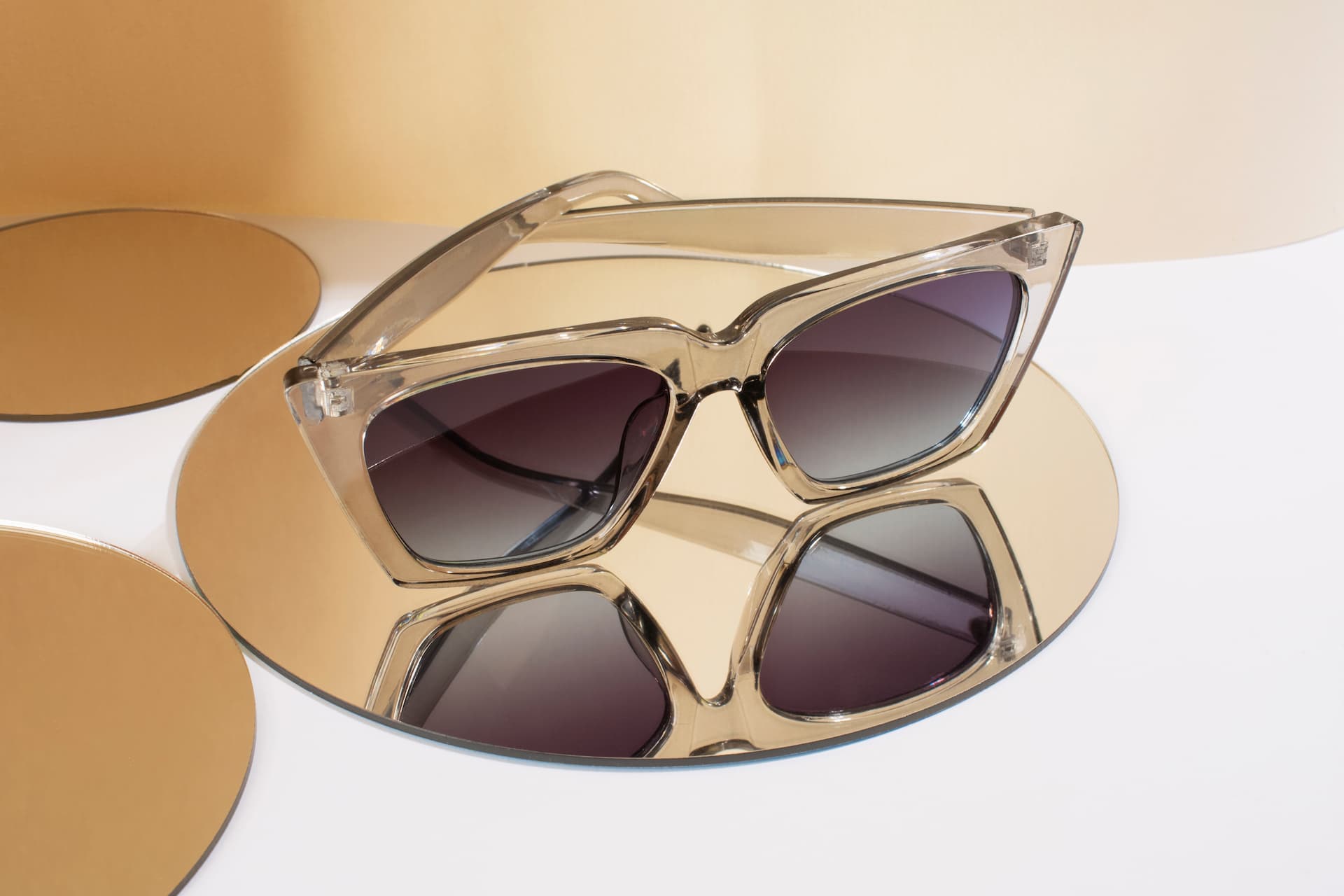
In many consumer and industrial products—such as eyewear, furniture, bicycles, office chairs, and sports equipment—the frame serves as the structural backbone. While design and aesthetics often attract initial attention, the material used in the frame ultimately determines how comfortable, durable, and reliable a product will be over time. The impact of frame material on comfort and durability is therefore a critical consideration in both product design and user experience.
Frame materials influence weight distribution, flexibility, resistance to wear, and the ability to withstand environmental stress. This article provides a comprehensive analysis of how different frame materials affect comfort and durability, highlighting their advantages, limitations, and real-world applications.
Why Frame Material Matters
The frame is responsible for maintaining structural integrity while supporting functional components. Poor material selection can lead to discomfort, premature wear, deformation, or even product failure. On the other hand, a well-chosen frame material enhances ergonomic performance and extends product lifespan.
From an engineering perspective, frame materials must balance strength, weight, elasticity, and resilience. From a user’s perspective, these technical properties translate into comfort during prolonged use and confidence in the product’s durability.
Comfort as a Function of Frame Material
Comfort is not solely determined by padding or surface finishes; it is deeply connected to the physical properties of the frame itself.
Weight and Pressure Distribution
Lightweight materials such as aluminum alloys, titanium, and advanced polymers reduce strain on the body. In products like eyeglasses or wearable equipment, even small weight differences can significantly impact comfort during extended use. A heavier frame tends to create pressure points, leading to fatigue and discomfort.
Flexibility and Ergonomics
Materials with controlled flexibility adapt better to the user’s body. For example, flexible polymer frames or spring-loaded metal alloys can absorb movement and prevent rigid pressure. This adaptability is particularly important in seating systems and wearable frames, where natural body motion must be accommodated.
Thermal Comfort
Frame materials also affect thermal sensation. Metals can feel cold to the touch and quickly absorb environmental temperature, while plastics and composites tend to maintain a more neutral feel. This factor plays a subtle but important role in perceived comfort, especially in products that maintain prolonged skin contact.
Durability and Long-Term Performance
Durability refers to a frame’s ability to maintain structural integrity and functionality over time, despite repeated use and environmental exposure.
Resistance to Mechanical Stress
Different materials respond differently to bending, impact, and load. Steel frames offer exceptional strength but may deform permanently under extreme stress. Titanium combines high strength with elasticity, allowing it to return to its original shape after deformation. Composite materials often excel at absorbing impact without cracking.
Environmental Resistance
Humidity, UV exposure, corrosion, and temperature fluctuations can degrade frame materials. Metals such as stainless steel and titanium offer high corrosion resistance, while untreated steel may rust. Plastics can become brittle under prolonged UV exposure unless specially treated.
Maintenance and Longevity
Durable frame materials require less maintenance and retain their performance characteristics longer. A well-designed frame made from high-quality material can significantly extend a product’s usable life, reducing replacement costs and environmental impact.
Common Frame Materials and Their Impact
Metal Frames
Metal frames are widely used due to their strength and precision.
- Steel provides excellent durability but is heavier and less flexible.
- Aluminum is lightweight and corrosion-resistant, offering a good balance between comfort and durability.
- Titanium is one of the most premium options, known for its exceptional strength-to-weight ratio, flexibility, and resistance to corrosion.
Metal frames generally excel in durability but require careful design to ensure comfort, particularly in weight-sensitive applications.
Plastic and Polymer Frames
Plastic frames are valued for their versatility and comfort.
- Acetate and nylon-based polymers are lightweight and flexible, making them ideal for comfort-focused designs.
- They allow greater freedom in shaping and ergonomic customization.
- However, lower-quality plastics may degrade faster or lose structural strength over time.
High-performance polymers can achieve an impressive balance between comfort and durability when properly engineered.
Composite and Hybrid Materials
Composite materials combine multiple substances to enhance performance.
- Carbon fiber composites offer extreme strength with minimal weight.
- Hybrid frames blend metal cores with polymer exteriors to improve comfort while maintaining structural integrity.
These materials are increasingly popular in high-performance and premium products, where both comfort and durability are essential.
The Role of Frame Material in User Experience
The choice of frame material directly influences how users perceive quality. A frame that feels solid yet lightweight creates a sense of reliability and comfort. Conversely, a frame that bends excessively or feels heavy may lead to dissatisfaction, even if the product functions correctly.
Psychological comfort also plays a role. Premium materials such as titanium or carbon fiber often convey a sense of trust and value, enhancing the overall user experience.
Sustainability and Material Selection
Modern consumers and manufacturers increasingly consider sustainability. Durable frame materials reduce waste by extending product life. Recyclable metals and eco-friendly polymers are becoming more common, allowing manufacturers to balance performance with environmental responsibility.
Sustainable material selection not only benefits the environment but also strengthens brand reputation and consumer trust.
Future Trends in Frame Materials
Advancements in material science continue to redefine comfort and durability standards. Smart materials, bio-based polymers, and advanced composites promise frames that adapt dynamically to stress, temperature, and user movement. These innovations will further blur the line between comfort and durability, making material selection even more critical.
Conclusion
The impact of frame material on comfort and durability cannot be overstated. From weight and flexibility to strength and environmental resistance, the material chosen for a frame shapes the entire user experience. Products designed with a thoughtful balance of ergonomic comfort and long-term durability not only perform better but also foster greater user satisfaction and trust.
As technology evolves, frame materials will continue to advance, offering new possibilities for creating products that are lighter, stronger, more comfortable, and more sustainable. Understanding these materials is essential for designers, manufacturers, and consumers alike.
Search
Post recently