
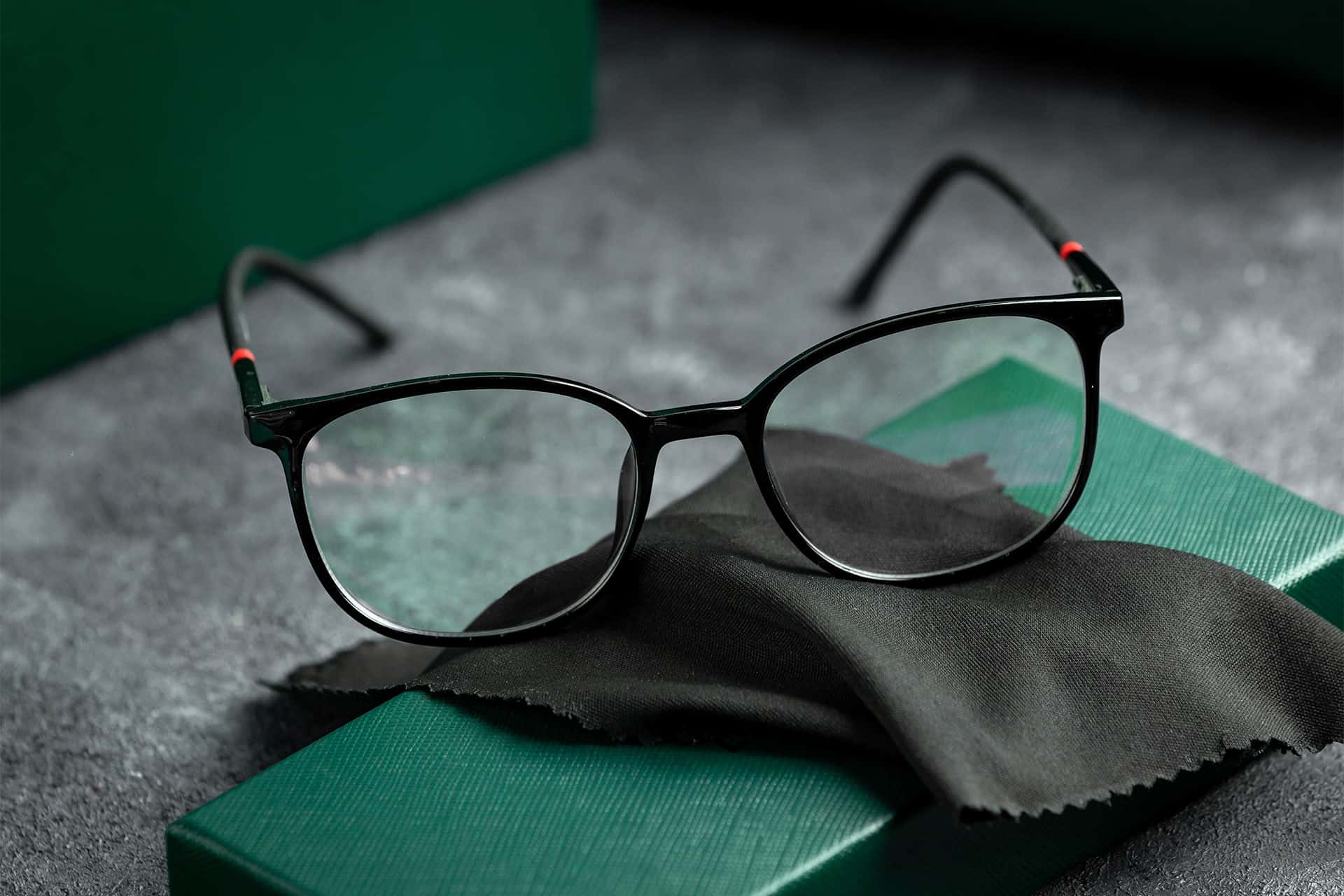
In today’s digital-first world, screens are everywhere. From smartphones and laptops to tablets and LED lighting, our eyes are exposed to blue light for extended hours every day. This growing exposure has raised an important question for consumers and eye care professionals alike: Do blue light lenses really protect your eyes? This in-depth article provides a science-based, SEO-optimized, and user-focused answer to that question, covering everything you need to know about blue light lenses, their benefits, limitations, and whether they are worth the investment.
What Is Blue Light?
Blue light is a portion of the visible light spectrum with relatively short wavelengths and high energy. While blue light occurs naturally from the sun and plays an important role in regulating our circadian rhythm, artificial blue light emitted from digital devices has become a growing concern.
Natural vs Artificial Blue Light
Blue light can be divided into two main categories: natural and artificial. Understanding the difference between these sources is essential for evaluating the real impact of blue light on eye health and determining whether blue light lenses are truly necessary.
Natural Blue Light from the Sun
Natural blue light primarily comes from the sun and plays a vital role in regulating the human biological clock. Exposure to sunlight during daytime hours helps control sleep-wake cycles, boosts alertness, supports cognitive performance, and positively affects mood. This type of blue light is not harmful when experienced in natural amounts and is considered essential for overall well-being.
Artificial Blue Light from Screens
Artificial blue light is emitted by digital devices such as smartphones, computers, tablets, televisions, and LED lighting. Unlike sunlight, this exposure often occurs at close distances and for prolonged periods, especially indoors. Continuous exposure to artificial blue light late in the evening has raised concerns due to its potential role in eye discomfort and sleep disruption.
Why Blue Light Gets So Much Attention
The increasing reliance on digital devices for work, education, and entertainment has significantly increased daily screen time. As a result, eye care professionals and researchers have focused on blue light as a possible contributor to visual fatigue, disrupted sleep patterns, and digital eye strain.
Extended exposure to artificial blue light has been associated with digital eye strain, sleep disturbances, and visual discomfort, making it a frequent topic in eye health discussions.
What Are Blue Light Lenses?
Blue light lenses are specially designed eyeglass lenses that filter or block a portion of blue light emitted from digital screens and artificial lighting.
How Blue Light Lenses Work
These lenses use coatings or lens materials that selectively reduce the amount of blue light reaching the eyes while allowing other visible light to pass through.
Types of Blue Light Lenses
Clear Blue Light Lenses
These lenses appear mostly transparent and are designed for everyday use, including work environments.
Yellow or Amber-Tinted Lenses
Tinted lenses block a higher percentage of blue light and are often used for gaming or nighttime screen use.
Do Blue Light Lenses Really Protect Your Eyes?
This is the core question many users ask, and the answer requires a balanced, evidence-based explanation.
Blue Light and Digital Eye Strain
Digital eye strain, also known as computer vision syndrome, includes symptoms such as dry eyes, headaches, blurred vision, and eye fatigue. Blue light lenses may help reduce discomfort by improving contrast and minimizing glare, although eye strain is often caused by reduced blinking and prolonged focus rather than blue light alone.
Blue Light and Eye Health
Retinal Damage Concerns
Some laboratory studies suggest that excessive blue light exposure may contribute to retinal stress. However, current real-world evidence does not conclusively prove that screen-based blue light causes permanent eye damage in humans.
Long-Term Eye Protection
Blue light lenses should not be considered a medical treatment but rather a preventive comfort solution, especially for heavy screen users.
Blue Light and Sleep Quality
Blue light exposure in the evening can suppress melatonin production, disrupting sleep patterns. Blue light lenses may help reduce this effect when used during nighttime screen exposure.
Scientific Evidence Behind Blue Light Lenses
Understanding what research says helps users make informed decisions.
What Studies Suggest
Some studies show that blue light filtering lenses can reduce subjective symptoms of eye discomfort and improve visual comfort during prolonged screen use.
What Studies Do Not Prove
There is limited clinical evidence confirming that blue light lenses prevent eye diseases or significantly improve long-term eye health.
Who Can Benefit Most from Blue Light Lenses?
Blue light lenses are not necessary for everyone, but certain groups may find them particularly helpful.
Office Workers and Remote Employees
Individuals who spend more than six hours a day in front of digital screens often report reduced eye fatigue when using blue light lenses.
Gamers and Content Creators
Extended screen exposure combined with intense visual focus makes blue light lenses a popular option among gamers.
Students and Digital Learners
Students attending online classes may benefit from improved visual comfort during long study sessions.
People with Sleep Sensitivity
Those who struggle with sleep may notice improvements when using blue light lenses in the evening.
Common Myths About Blue Light Lenses
Myth 1: Blue Light Lenses Completely Block All Blue Light
In reality, most lenses filter only a portion of blue light to maintain natural color perception.
Myth 2: Blue Light Is Always Harmful
Blue light is essential for daytime alertness and mood regulation. Problems arise mainly from excessive artificial exposure.
Myth 3: Blue Light Lenses Replace Healthy Screen Habits
Lenses alone cannot compensate for poor screen ergonomics or excessive screen time.
Blue Light Lenses vs Other Eye Protection Methods
The 20-20-20 Rule
Taking breaks every 20 minutes by looking at something 20 feet away for 20 seconds remains one of the most effective ways to reduce eye strain.
Screen Settings and Night Modes
Many devices offer built-in blue light reduction modes that can be used alongside blue light lenses.
Proper Lighting and Ergonomics
Adjusting screen brightness, contrast, and ambient lighting plays a major role in eye comfort.
Are Blue Light Lenses Worth It?
The value of blue light lenses depends on individual needs and expectations.
Pros of Blue Light Lenses
- Improved visual comfort
- Reduced glare
- Potential sleep support
- Minimal lifestyle adjustment
Limitations to Consider
- Not a cure for eye strain
- No proven prevention of eye disease
- Benefits vary from person to person
How to Choose the Right Blue Light Lenses
Lens Quality and Certification
Choose lenses from reputable brands that clearly state the percentage of blue light filtered.
Clear vs Tinted Lenses
Clear lenses are better for all-day use, while tinted lenses may be more effective for nighttime exposure.
Prescription vs Non-Prescription
Both options are available depending on your vision needs.
Final Verdict: Do Blue Light Lenses Really Protect Your Eyes?
Blue light lenses are not a miracle solution, but they can offer meaningful comfort benefits for people who spend long hours in front of digital screens. While scientific evidence does not strongly support claims of long-term eye disease prevention, many users experience reduced eye fatigue, improved visual comfort, and better sleep quality when using blue light filtering lenses appropriately.
For best results, blue light lenses should be combined with healthy screen habits, regular eye exams, and proper workplace ergonomics. When used as part of a comprehensive eye care strategy, blue light lenses can be a valuable tool in maintaining visual comfort in the digital age.