
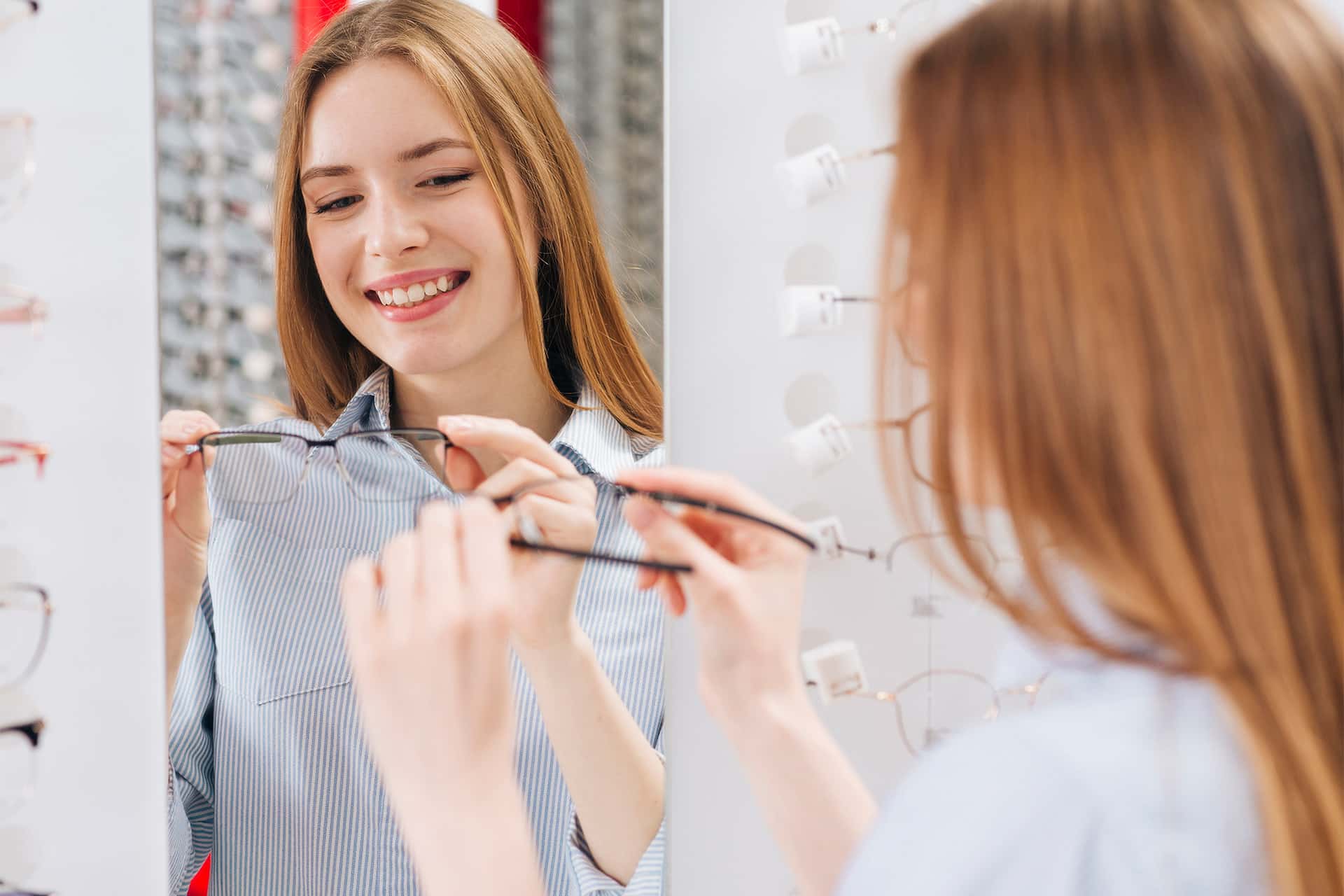
Eyeglasses are more than just a vision correction tool; they are an essential part of daily life, personal style, and long-term eye health. Many people continue using the same pair of glasses for years without questioning whether it is time for a replacement. However, wearing outdated or damaged eyeglasses can negatively affect your vision, comfort, and even productivity. In this comprehensive guide, we will explore how often you should replace your eyeglasses, the key signs that indicate it is time for a new pair, and how regular updates can support optimal eye health.
Why Replacing Your Eyeglasses Matters
Wearing the correct eyeglasses is crucial for maintaining clear vision and preventing unnecessary eye strain. Over time, both your eyes and your glasses change, making replacements not just a matter of style but also of health.
Changes in Vision Over Time
Your eyesight naturally evolves due to aging, lifestyle, and health conditions. Even minor prescription changes can lead to headaches, blurred vision, and fatigue if not corrected promptly.
Wear and Tear of Frames and Lenses
Daily use exposes eyeglasses to scratches, loose screws, bent frames, and worn nose pads. These issues may seem minor but can significantly reduce comfort and visual clarity.
How Often Should You Replace Your Eyeglasses?
There is no universal rule for everyone, but eye care professionals generally recommend replacing eyeglasses every one to three years. This timeframe depends on several factors, including prescription stability, lens quality, and personal habits.
Standard Recommendation from Eye Care Professionals
Most optometrists suggest updating your eyeglasses every two years, even if your prescription feels adequate. This ensures your lenses match your current vision needs and benefit from the latest lens technologies.
Factors That Influence Replacement Frequency
Age
Children and teenagers may need new glasses more frequently due to rapid eye development. Adults with stable vision may go longer between replacements, while seniors often experience more frequent prescription changes.
Lifestyle and Usage
People who use digital screens extensively or work in demanding environments may notice faster lens degradation or vision changes.
Health Conditions
Conditions such as diabetes, eye strain, or hormonal changes can affect vision and require more frequent updates.
Signs You Need to Replace Your Eyeglasses
Even if it has not been long since your last eye exam, certain warning signs indicate that your eyeglasses may no longer be suitable.
Frequent Headaches or Eye Strain
Persistent discomfort after reading or screen use may signal an outdated prescription.
Blurry or Distorted Vision
If objects appear unclear or distorted, your lenses may no longer align with your visual needs.
Physical Damage to Glasses
Scratches, cracks, or bent frames can interfere with vision and should not be ignored.
Difficulty Seeing at Night
Increased glare or halos around lights often indicate lens wear or prescription changes.
The Role of Regular Eye Exams
Replacing eyeglasses should always start with a comprehensive eye exam. Regular check-ups help detect vision changes early and ensure your prescription remains accurate.
How Often Should You Get an Eye Exam?
Most adults should have an eye exam every one to two years. Children, seniors, and individuals with eye conditions may require more frequent visits.
Benefits Beyond Vision Correction
Eye exams can detect early signs of serious conditions such as glaucoma, macular degeneration, and cataracts.
Advances in Eyeglass Lens Technology
Modern eyeglasses offer far more than basic vision correction. Updating your glasses allows you to take advantage of new technologies designed to enhance comfort and eye protection.
Blue Light Filtering Lenses
These lenses reduce digital eye strain caused by prolonged screen exposure.
Anti-Reflective and Scratch-Resistant Coatings
Advanced coatings improve clarity, reduce glare, and extend lens lifespan.
Lightweight and High-Index Lenses
New materials provide thinner, lighter lenses without compromising visual quality.
How Frame Style and Fit Affect Replacement Timing
Fashion trends and physical comfort also play a role in deciding when to replace eyeglasses.
Proper Fit for Maximum Comfort
Ill-fitting frames can cause pressure points, slipping, and misalignment of lenses.
Updating Your Look
Eyeglasses are a prominent fashion accessory. Replacing them can refresh your appearance and boost confidence.
Can You Keep Old Eyeglasses?
While replacing your primary pair is important, old eyeglasses can still serve a purpose.
Backup Glasses
Keeping an older pair as a backup can be helpful in emergencies.
Donation and Recycling Options
Many organizations accept used eyeglasses to help individuals in need.
How to Extend the Life of Your Eyeglasses
Proper care can help you get the most out of your eyeglasses before needing a replacement.
Daily Cleaning Habits
Use microfiber cloths and lens-safe solutions to prevent scratches.
Safe Storage
Always store glasses in a protective case when not in use.
Regular Adjustments
Professional adjustments keep frames aligned and comfortable.
Final Thoughts on Replacing Your Eyeglasses
Replacing your eyeglasses at the right time is essential for maintaining clear vision, comfort, and eye health. While most people benefit from updating their glasses every one to three years, paying attention to warning signs and scheduling regular eye exams are the best ways to determine the right timing for you. By staying proactive and informed, you can ensure that your eyeglasses continue to support your lifestyle, protect your eyes, and enhance your overall quality of life.